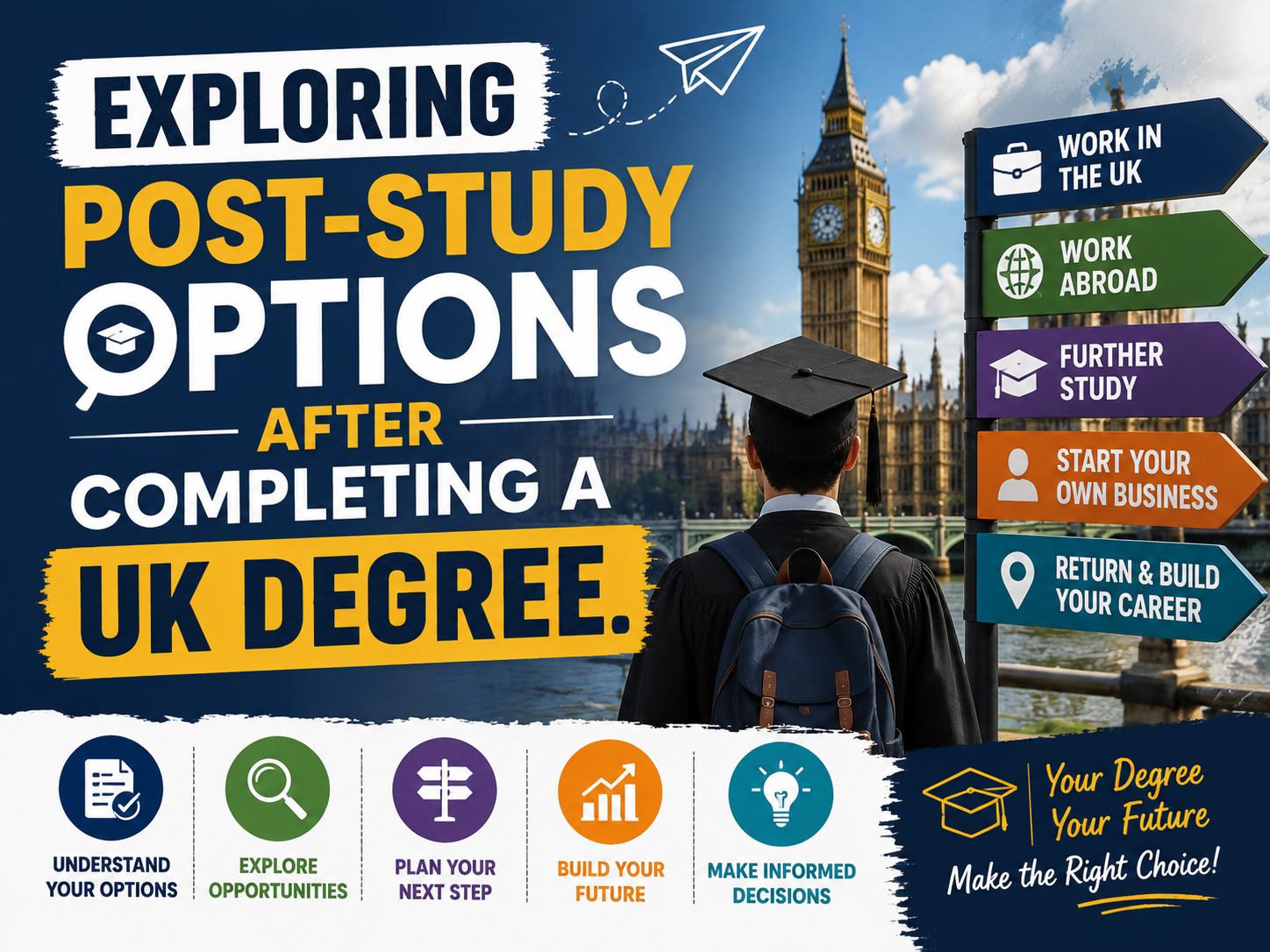


Switching careers is a bold step that many individuals consider at various points in their professional lives. Whether driven by the desire for a new challenge, better job satisfaction, or improved financial prospects, changing one's career path can be a transformative experience. However, one of the main hurdles in making this transition is often the financial burden associated with gaining new qualifications. Fortunately, funded qualifications can offer a solution, providing individuals with the necessary skills without the hefty price tag.
Funded qualifications are educational programmes where the financial cost is partially or fully covered by government bodies, educational institutions, or other organisations. These opportunities can be a game-changer for those looking to pivot their careers without incurring significant debt. In this guide, we will explore the benefits of funded qualifications, how they can facilitate career changes, and practical steps to take advantage of these opportunities.
Choosing the right funded qualification is crucial to aligning your new career path with your interests and market demand. Understanding the landscape of available funding options and knowing how to navigate the application process will set you on a path to success. Join us as we delve into the world of switching careers with funded qualifications and discover how you can make this transition smoothly and effectively.
Understanding Funded Qualifications
Funded qualifications are designed to help individuals acquire the skills and knowledge needed for new career paths without the financial strain. These programmes are often funded by government initiatives, educational grants, or employer schemes. They can range from short courses to full degree programmes, depending on the field and level of expertise required.
One of the primary benefits of funded qualifications is their ability to reduce or eliminate the financial barriers that might otherwise prevent individuals from pursuing further education. This makes career transitions more accessible, especially for those who may not have the means to pay for additional training.
Funded qualifications are not just for young students. Many programmes are tailored to mature learners seeking to switch careers, recognising prior experience and offering flexible learning options.
Benefits of Switching Careers with Funded Qualifications
Switching careers with the help of a funded qualification offers numerous advantages. Firstly, it allows individuals to gain the skills necessary for a new profession without incurring significant debt. This financial relief can ease the transition period, enabling a smoother adjustment to a new career.
Moreover, funded qualifications often provide a competitive edge in the job market. Employers value candidates who have demonstrated a commitment to learning and development, especially when it involves acquiring new skills pertinent to their industry.
"Changing careers with a funded qualification can open doors to new opportunities, providing both skills and financial viability without the burden of debt."Career Transition Expert
Types of Funded Qualifications Available
There are several types of funded qualifications available, catering to different career paths and levels of expertise. Some of the most common include:
- Short Courses: Ideal for gaining specific skills quickly, these courses are often industry-focused and can be completed in a matter of weeks or months.
- Diplomas and Certificates: These qualifications provide more comprehensive training in a particular field and are typically shorter and less costly than full degree programmes.
- Bachelor’s and Master’s Degrees: For those looking to make a significant career shift, funded degree programmes offer an in-depth education in new disciplines.
Many industries, including technology, healthcare, and education, offer funded qualifications to address skill shortages and encourage workforce development.
How to Find Funded Qualification Opportunities
Finding funded qualification opportunities requires research and understanding of the options available in your desired field. Here are some steps to help you discover these opportunities:
Identify the industry you wish to enter and the skills required to succeed in that field.
Research educational institutions, government bodies, and private organisations that offer funded qualifications in your chosen industry.
Contact these organisations to inquire about eligibility criteria and application processes.
Prepare your application, ensuring you meet all requirements and deadlines.
Submit your application and follow up as needed to track its progress.
Ready to embark on a new career path? With the right funded qualification, you can transition smoothly and confidently into a new profession.
Challenges and Considerations
While funded qualifications present significant benefits, there are challenges and considerations to keep in mind. For instance, these programmes can be highly competitive, with limited spots available. It's crucial to prepare a strong application that highlights your motivation and suitability for the programme.
Additionally, some programmes may require a return to full-time study, which could impact your current financial situation. It's important to assess your readiness and ability to balance study with other personal commitments.
Be cautious of programmes that appear too good to be true. Always verify the credibility of the funding source and the accreditation of the qualification.
Success Stories: Real-Life Examples
There are countless success stories of individuals who have successfully transitioned careers with the help of funded qualifications. For instance, Sarah, a former administrative assistant, leveraged a funded IT course to become a software developer. Her new skills opened opportunities for higher-paying roles and greater job satisfaction.
Another example is John, who used a funded healthcare programme to switch from a retail job to a career in nursing. This move not only provided him with more stable employment but also allowed him to pursue a passion for helping others.

These stories highlight the transformative impact that funded qualifications can have on individuals seeking to change their career paths. They demonstrate that with determination and the right educational support, significant career shifts are achievable.
Comparative Table of Funded Qualification Options
| Qualification Type | Duration | Funding Source | Typical Fields |
|---|---|---|---|
| Short Course | Weeks to Months | Government, Private | IT, Business, Healthcare |
| Diploma | 1-2 Years | Government, Universities | Engineering, Education |
| Bachelor's Degree | 3-4 Years | Student Finance, Scholarships | Various |
| Master's Degree | 1-2 Years | Student Finance, Scholarships | Management, Law |
This table provides an overview of various funded qualification options, helping you compare and decide which path aligns best with your career goals.
Making the Most of Your Funded Qualification
Once you secure a funded qualification, it's important to make the most of the opportunity. Engage actively with the course material, network with peers and instructors, and apply your learning to real-world scenarios. This proactive approach will not only enhance your education but also prepare you for successful career advancement.

Networking is a powerful tool when transitioning careers. Connect with professionals in your new field and seek mentorship opportunities to gain insights and guidance.
Conclusion: Embrace the Change
Switching careers with a funded qualification can be a rewarding journey, offering new opportunities for growth and development. By understanding the types of funded qualifications available and how to access them, you can make informed decisions that align with your career aspirations.
Embrace the change, leverage the educational support available, and embark on a path that not only fulfils your professional ambitions but also enriches your personal growth. The world of funded qualifications awaits, ready to help you turn your career dreams into reality.
Popular Fields for Funded Qualifications
Indicative figures for planning — confirm current official sources.
Funding Sources for Qualifications
Indicative figures for planning — confirm current official sources.
What is a funded qualification?
A funded qualification is an educational programme where the cost is partially or fully covered by external funding sources, such as government bodies or educational institutions.
How can I apply for a funded qualification?
Research available programmes, check eligibility criteria, and follow the application process outlined by the funding body. This may involve submitting an application form, personal statement, and supporting documents.
Are funded qualifications available for all career fields?
Funded qualifications are available in many fields, particularly those in high demand such as IT, healthcare, and engineering, though availability can vary.
What are the benefits of a funded qualification over a self-funded one?
Funded qualifications reduce financial barriers, allowing individuals to gain new skills without accruing debt, making career transitions more accessible.
Can mature students apply for funded qualifications?
Yes, many funded qualification programmes are open to mature students, recognising the value of their prior experience and providing flexible learning options.