Choosing the right mode of study is a crucial decision for prospective university students. With options ranging from online to blended and traditional campus-based degrees, understanding the key differences can help you align your education with your lifestyle and career goals. Each mode of delivery offers unique benefits and potential drawbacks, making it essential to consider factors such as flexibility, cost, social interaction, and learning style.
Online degrees have gained immense popularity due to their flexibility and accessibility. They allow students to learn from anywhere in the world, eliminating the need for relocation and providing a pathway for those balancing work, family, or other commitments. Blended degrees, offering a combination of online and face-to-face learning, provide a middle ground, with opportunities for both interaction and convenience. Traditional campus-based degrees, meanwhile, offer a rich, immersive educational experience, often with greater access to resources and networking opportunities.
This guide explores the intricacies of each option, providing practical insights to help you make an informed decision. Whether prioritizing cost, flexibility, or campus life, understanding your preferences and needs is paramount in choosing the right degree path.
Understanding Online Degrees
Online degrees are delivered entirely through a digital platform, offering unparalleled flexibility. Students can access lectures, course materials, and assignments from any location with an internet connection. This mode is ideal for those needing to balance studies with work or family commitments.
Tip: Check the accreditation of online programmes to ensure your degree is recognized by employers.
However, online learning requires a high degree of self-discipline and motivation. The absence of a physical classroom can lead to feelings of isolation, so proactive engagement is crucial.
Exploring Blended Learning
Blended learning combines online digital media with traditional face-to-face classroom methods. This approach offers the flexibility of online learning with the personal interaction of campus-based education.
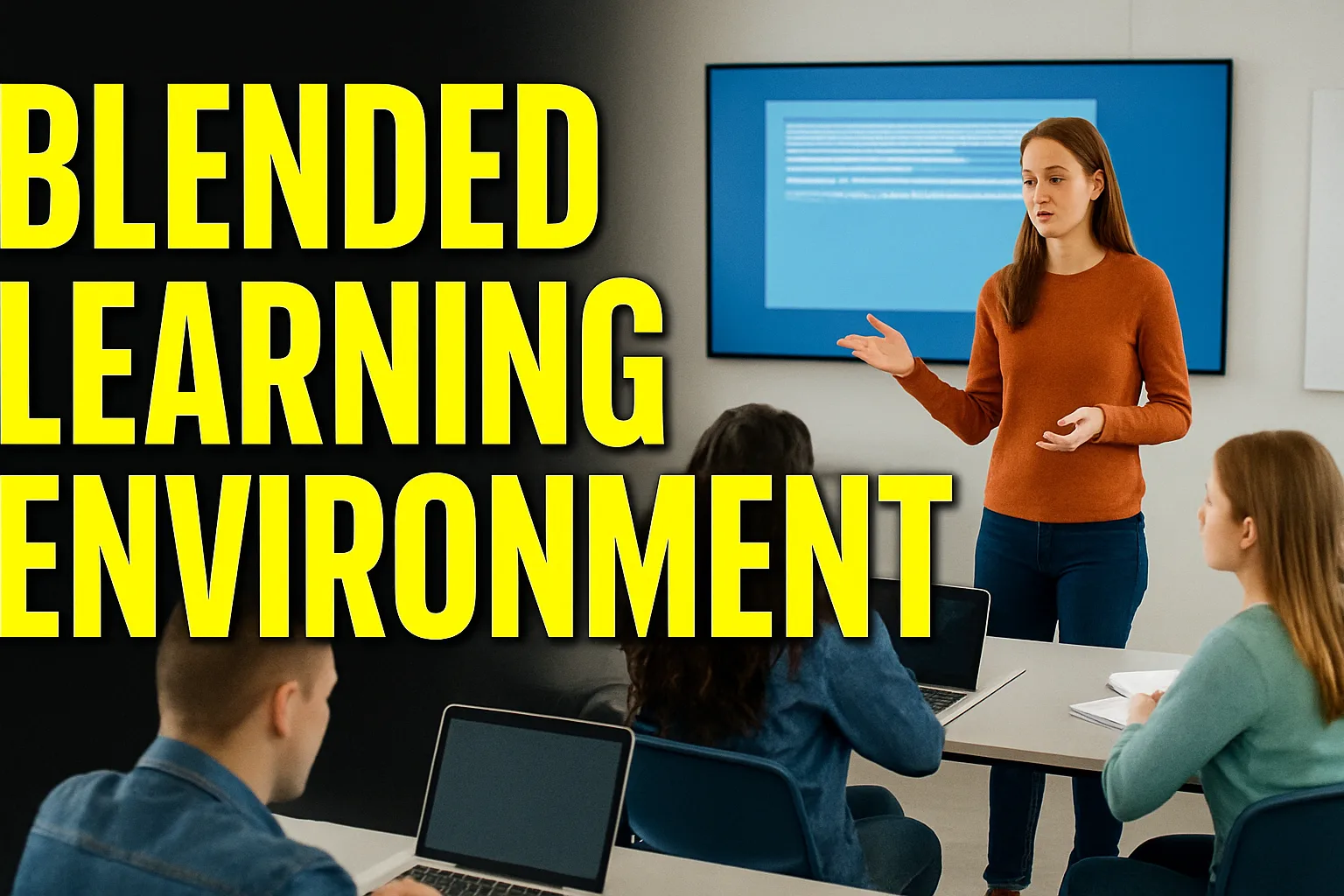
Students can benefit from face-to-face engagement with peers and professors while still enjoying the flexibility to complete part of the coursework online. This method can enhance understanding through diverse modes of learning.
Blended degrees suit students who value interaction but also require some flexibility. However, they demand good time management skills to handle both online and in-person components.
The Traditional Campus-Based Experience
Campus-based degrees offer a traditional university experience, characterized by full-time study on a physical campus. This mode provides a structured environment with direct access to resources like libraries, laboratories, and on-campus activities.
Success Story: Many graduates credit their campus-based experience for lifelong friendships and professional networks.
For those who thrive in structured settings and value social interaction, a campus-based degree can be highly rewarding. However, it typically requires relocation, additional costs, and a full-time commitment.
Comparative Costs of Different Degree Modes
Cost is a significant factor in choosing a degree mode. Online degrees often have lower tuition fees due to reduced overheads. Blended degrees may incur moderate costs, depending on the balance of online and physical components. Campus-based degrees usually have the highest costs due to facilities and on-campus resources.
| Degree Mode | Average Tuition Cost |
|---|---|
| Online | £6,000 - £15,000 |
| Blended | £9,000 - £18,000 |
| Campus-Based | £12,000 - £25,000 |
These figures are indicative and vary based on the institution and course specifics. It's essential to inquire about additional costs such as technology fees or materials.
Flexibility and Lifestyle Considerations
Flexibility is often a deciding factor for students with external commitments. Online degrees offer the greatest flexibility, with no fixed schedules. Blended degrees provide a balance, while campus-based degrees require adherence to a set timetable.
Flexibility Comparison
Indicative figures for flexibility — confirm current schedules with institutions.
Consider your personal and professional commitments when choosing the degree mode. A flexible schedule can significantly impact your ability to balance studies with other responsibilities.
Social Interaction and Networking Opportunities
Social interaction is a key component of the university experience. Campus-based degrees naturally offer more opportunities for social engagement and networking through events, clubs, and societies. Blended degrees provide some interaction, while online degrees rely on virtual platforms for student connections.
Warning: Online students should actively seek virtual networking opportunities to build professional connections.
Networking can play a crucial role in career development, making it an important consideration when selecting your degree mode.
Choosing the Right Learning Style
Your personal learning style should influence your degree choice. Visual and self-motivated learners might excel in online settings, while those who benefit from verbal interaction may prefer campus-based or blended environments.
Learning Style Preferences
Indicative preferences for learning styles — consult with educational advisors.
Consider taking a learning style assessment to better understand your preferences and choose a degree mode that aligns with your strengths.
Steps to Decide on Your Degree Mode
Evaluate your personal and professional commitments to determine the level of flexibility you need.
Consider your learning style preferences and how they align with each mode of study.
Research the costs associated with each option, including tuition and additional fees.
Explore potential networking and social opportunities that each degree mode offers.
Consult with educational advisors or current students to gain insights into each program.
"The best degree choice is one that aligns with your goals and lifestyle."Educational Advisor
Choosing the right degree mode is a personal decision that requires careful consideration of various factors. By understanding the differences between online, blended, and campus-based degrees, you can select a pathway that best suits your educational and professional aspirations.

Online degrees offer the flexibility to study from anywhere, making them a popular choice for those with busy schedules. Ensure you have a reliable internet connection and a conducive study environment to maximize your learning experience.
Each degree mode has its unique advantages that cater to different needs and preferences. By considering costs, flexibility, social interaction, and learning style, you can make an informed decision that enhances your educational journey.
Are online degrees credible?
Yes, many online degrees are accredited and recognized by employers, similar to campus-based degrees. It's important to verify the accreditation of the institution offering the online program.
What is the main benefit of a blended degree?
Blended degrees offer a mix of online and face-to-face learning, providing flexibility while still allowing for personal interaction and networking opportunities.
How do campus-based degrees enhance networking?
Campus-based degrees provide numerous opportunities for networking through in-person events, clubs, and societies, fostering connections that can be beneficial for future career prospects.
Can I switch from an online to a campus-based program?
Yes, many institutions allow students to transfer between online and campus-based programs, although policies vary, and it may depend on course availability and other factors.
What should I consider when choosing a degree mode?
Consider factors like flexibility, cost, social interaction, learning style, and career goals when choosing between online, blended, and campus-based degree options.