The International English Language Testing System (IELTS) is one of the most recognized and widely accepted English language proficiency tests globally. Whether you are planning to study at a UK university, migrate, or work abroad, a good IELTS score can open doors to numerous opportunities. Preparing for the IELTS exam can be a daunting task, but with the right approach and resources, you can achieve your desired score.
This comprehensive guide will walk you through the essential steps to prepare for and successfully complete the IELTS exam. From understanding the test format to booking your exam, and from effective study techniques to exam day tips, we've got you covered.
With millions of candidates taking the IELTS test every year, it's crucial to have a structured plan. Let's delve into the steps you need to take to ensure your success in the IELTS exam.
Understanding the IELTS Test Format
The IELTS test is divided into four main sections: Listening, Reading, Writing, and Speaking. Each section is designed to assess different language skills. The Listening, Reading, and Writing sections are completed on the same day, while the Speaking test may be scheduled on a different day within a 7-day window.
| Section | Duration | Number of Questions |
|---|
| Listening | 30 minutes | 40 |
| Reading | 60 minutes | 40 |
| Writing | 60 minutes | 2 tasks |
| Speaking | 11-14 minutes | 3 parts |
Booking Your IELTS Test
It's essential to book your IELTS test well in advance to secure your preferred test date and location. Tests are conducted multiple times a month at various locations worldwide.
1Visit the official IELTS website and select your country to view test locations and dates.
2Choose a test date that allows sufficient preparation time and fits your schedule.
3Register online and pay the test fee using the available payment methods.
4Receive a confirmation email with your test details and preparation resources.
Effective Preparation Techniques
Effective preparation is key to achieving a high IELTS score. Here are some strategies to enhance your study sessions:
- Understand the Test Format: Familiarize yourself with the test format and question types by reviewing past papers and sample questions.
- Build Your Vocabulary: Expand your vocabulary by reading various materials such as newspapers, academic articles, and novels.
- Practice Listening Skills: Listen to English podcasts, watch English movies, and engage in conversations with native speakers.
- Improve Writing Skills: Practice writing essays and reports within a time limit to enhance your writing speed and coherence.
Understanding IELTS Scoring
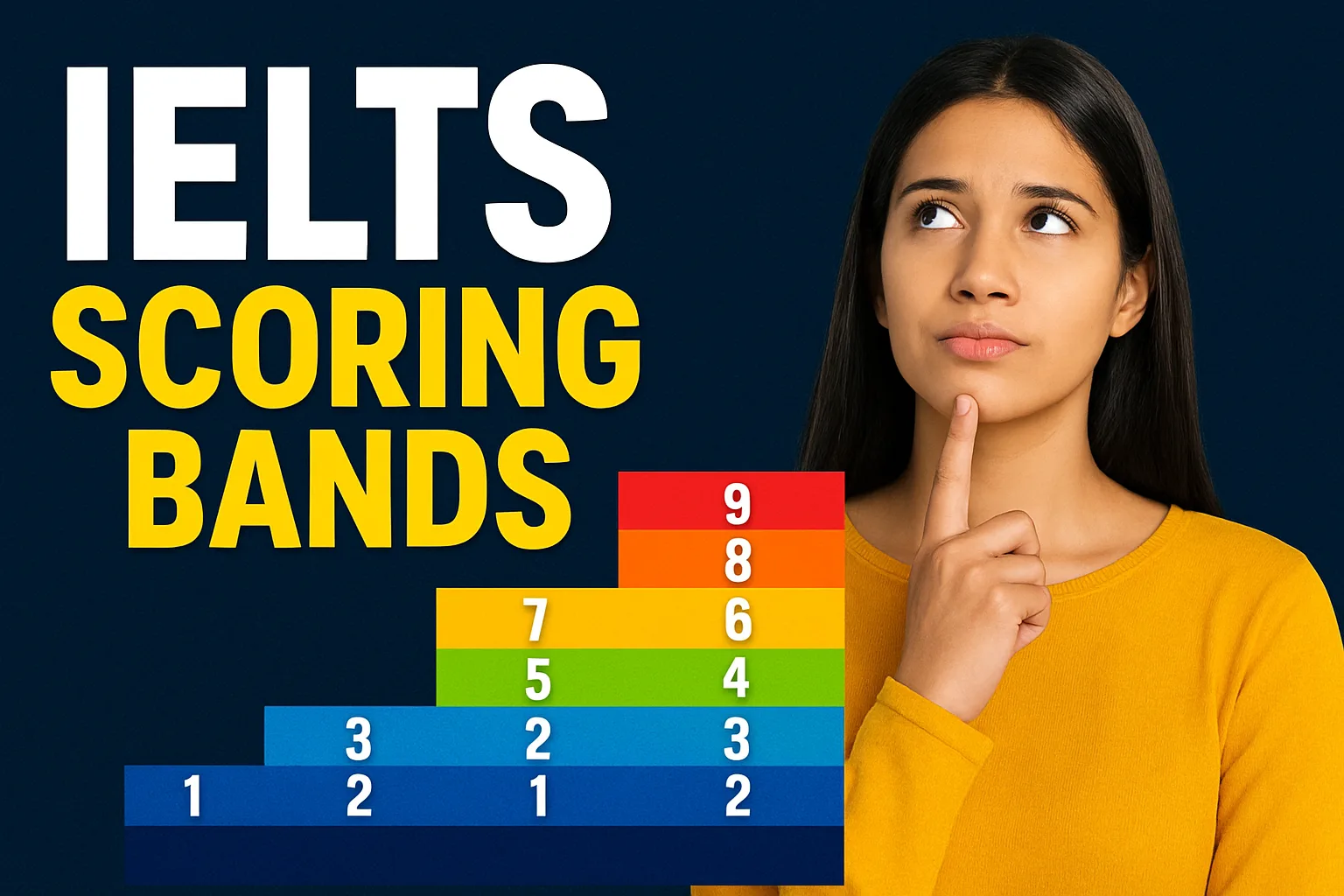
IELTS scores range from 1 to 9 for each part of the exam. The average of these scores gives you your overall band score. Each band corresponds to a descriptive level of English proficiency.
A band score of 6.5 or above is typically required for entry into most UK universities. Understanding the scoring system can help you target your study efforts effectively.
Tips for the Exam Day
Ensure you have all necessary documents, such as your identification and admission ticket, ready for the exam day. Late arrivals may not be admitted to the test centre.
On the day of your IELTS exam, it's crucial to remain calm and composed. Here are some tips to help you perform your best:
- Arrive Early: Plan to arrive at the test centre at least 45 minutes before the test starts to avoid any last-minute stress.
- Stay Hydrated: Bring a clear water bottle to keep yourself hydrated throughout the exam.
- Read Instructions Carefully: Pay close attention to the invigilator's instructions and the test booklet guidelines.
- Manage Your Time: Keep an eye on the clock and allocate time wisely for each section.
"The key to conquering the IELTS exam lies in diligent preparation and self-confidence."
IELTS ExpertPost-Exam Procedures
Once you've completed the IELTS exam, the waiting game begins. Here's what to expect after your test:
- Results Processing: IELTS test results are usually available 13 days after the test date. You can access your results online or receive them by mail.
- Understanding Your Score: Review your score report carefully to understand your performance in each section.
- Retaking the Exam: If you're not satisfied with your score, you can retake the IELTS test after a minimum of a 3-month gap.
Common FAQs About the IELTS Exam
What is the minimum IELTS score required for UK university admission?
Most UK universities require a minimum overall band score of 6.5, with no section below 6.0.
How often can I take the IELTS exam?
You can take the IELTS exam as many times as you like, but it's recommended to wait at least 3 months before retaking it to allow ample preparation time.
Can I use a pencil for the IELTS test?
Yes, you can use a pencil for the Listening and Reading sections. However, for the Writing section, you must use a pen.
Is there a difference between the Academic and General Training IELTS?
Yes, the Academic test is designed for students applying for higher education or professional registration, while the General Training test is for those migrating to an English-speaking country for work or training.
How can I improve my IELTS Speaking score?
Practice speaking English regularly, engage in conversations with native speakers, and record yourself to evaluate and improve your speaking skills.
Preparation is essential for success in the IELTS exam. Utilize online resources, join study groups, and consider enrolling in an IELTS preparation course for structured guidance.
By following these steps and utilizing the resources available, you can approach the IELTS exam with confidence. Remember, preparation is the key to success, and with the right mindset, you can achieve your desired score and open the doors to countless opportunities.
Student Finance & Admissions Advisors
Our editorial team includes UK higher-education advisors who guide mature students, foundation-year entrants, and working adults through Student Finance England applications and funded degree choices — at no cost to students.